What to Know About Certifications in Nursing 2025 update


Who Should Pursue BLS, ACLS, and PALS Certifications?
Basic Life Support (BLS) certification is foundational and typically required for all registered nurses (RNs). It equips healthcare professionals with the skills to respond to cardiac and breathing emergencies.
Advanced Cardiovascular Life Support (ACLS) is designed for healthcare providers involved in the management of cardiovascular emergencies. This certification is often necessary for nurses working in critical care units, emergency departments, and intensive care units.
Pediatric Advanced Life Support (PALS) is intended for healthcare professionals who respond to emergencies in infants and children. Nurses in pediatric units, emergency departments, and intensive care units often require this certification. Northcentral Technical College
Employers may provide a grace period of 3 to 6 months for newly hired nurses to obtain ACLS or PALS certifications. Some healthcare facilities also offer financial assistance for these certifications.
What Does the BLS Certification Entail?
The American Heart Association (AHA) offers BLS courses that cover:
- High-quality CPR for adults, children, and infants
- Use of an automated external defibrillator (AED)
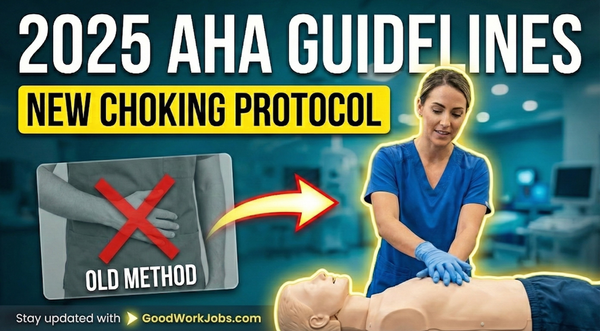
- Relief of choking in responsive and unresponsive individuals
Courses are available in both blended learning (online coursework followed by in-person skills sessions) and traditional classroom formats. The certification is valid for two years.
What Is Included in ACLS Certification?
ACLS builds upon the foundation of BLS, focusing on:
- Recognition and early management of respiratory and cardiac arrest
- Airway management
- Pharmacology
- Management of acute coronary syndromes and stroke
- Effective communication as a member and leader of a resuscitation team
The AHA provides ACLS courses in both blended and classroom settings. Certification is valid for two years.
What Does PALS Certification Involve?
PALS certification focuses on the assessment and management of critically ill infants and children. Key components include:
- Recognition and treatment of cardiopulmonary arrest
- Systematic approach to pediatric assessment
- Effective respiratory management
- Defibrillation and synchronized cardioversion
The AHA offers PALS courses in both blended and classroom formats. Certification is valid for two years. cpr.heart.org+5ENGAGE+5cpr.heart.org+5
How Can You Renew BLS, ACLS, and PALS Certifications?
All three certifications require renewal every two years. Renewal courses are typically shorter than initial certification courses and focus on refreshing knowledge and skills.
- BLS Renewal: The American Red Cross offers BLS renewal courses that can be completed in approximately 4-5 hours.
- ACLS and PALS Renewal: The AHA provides renewal courses for both ACLS and PALS, which include both a written exam and skills assessment.
It's important to monitor the expiration dates of your certifications, as lapses can affect your employment status.
Next Steps
To prepare for these certifications:
- Review course materials provided by the certifying organizations.
- Practice skills regularly to maintain proficiency.
- Consult with your employer about preferred training providers and potential financial assistance.
For more information on nursing certifications and to explore job opportunities, visit GoodWork.