Healthcare Workers Walked Out 28 Times This Year

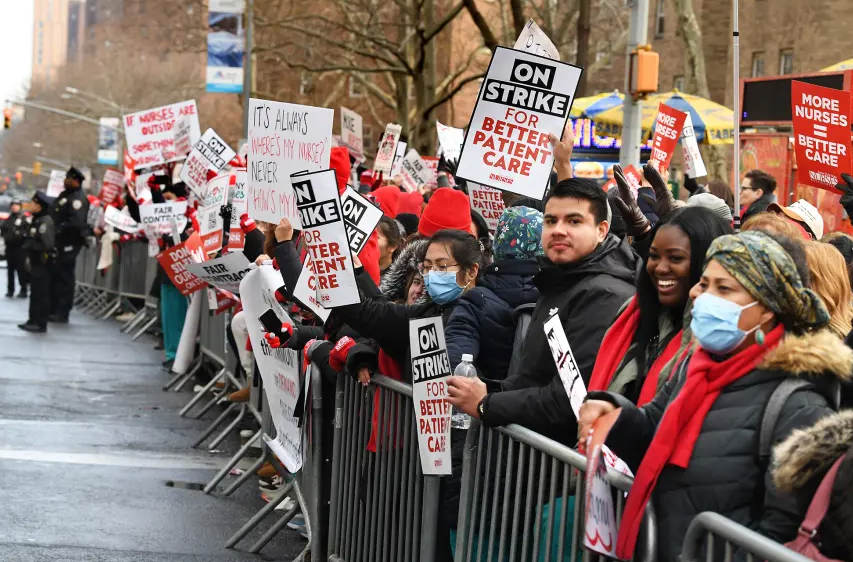
Healthcare workers across the United States went on strike 28 times this year through early October. The walkouts involved thousands of nurses, doctors, and support staff at hospitals and clinics from California to Rhode Island.
The strikes paint a picture of an industry under strain. Workers repeatedly cited the same core issues: understaffing, low pay, and workplace conditions they say put both employees and patients at risk.
What's Driving the Strikes
Safe staffing remains the top concern. Nurses report caring for too many patients at once, missing breaks, and working extended shifts due to chronic short-staffing.
Pay hasn't kept up with inflation. According to NPR, labor experts attribute much of the recent strike activity to unprecedented inflation following the pandemic. Healthcare workers who sacrificed during COVID now face soaring costs for rent, groceries, and fuel while their wages stagnate.
Bureau of Labor Statistics data shows the education and health services sector accounted for 126,500 idled workers in 2024, representing nearly half of all workers involved in major strikes that year.
Some workers are even striking over their own healthcare benefits. At Providence hospitals in Oregon, strikers reported paying up to $5,000 out of pocket for services at their own workplaces due to inadequate coverage.
The Numbers Tell a Story
The 28 strikes documented by Becker's Hospital Review through October 2025 involved facilities across multiple states. Some lasted just one day. Others stretched for weeks.
The largest single action hit Providence hospitals in Oregon in January 2025, involving nearly 5,000 nurses, doctors, and midwives. It became the largest healthcare strike in Oregon's history.
Kaiser Permanente facilities saw multiple strikes throughout the year. More than 600 nurse midwives and nurse anesthetists walked out across 20 Northern California hospitals in September. Earlier, over 2,000 mental health workers began an open-ended strike in October 2024 that lasted more than six months.
University Medical Center in New Orleans experienced four strikes in less than a year, each involving roughly 600 nurses.
Who's Affected
The strikes weren't limited to nurses. The walkouts included:
Licensed practical nurses and certified medical assistants. Pharmacy technicians and imaging specialists. Hospice workers and social workers. Emergency department physicians and physician assistants. Surgery center nurses and case managers.
According to research published in a National Institutes of Health study, strikes typically don't result in all staff walking off the job. Healthcare workers generally maintain care for the most critically ill patients even during labor actions.
Healthcare Dive reports that hospitals typically hire temporary replacement staff and reschedule non-emergency appointments during strikes.
What Workers Won
Some strikes resulted in concrete gains. Butler Hospital in Rhode Island ended the state's longest hospital strike after reaching a four-year labor agreement in August.
Members of the Minnesota Nurses Association at Essentia Health ended their strikes in July after negotiations. More than 300 clinic nurses and over 400 advanced practice providers returned to work.
The California Nurses Association and other unions secured staffing ratio agreements, wage increases, and improved benefits at various facilities. According to Healthcare Brew, nurses at New York City hospitals won enforceable safe staffing ratios backed by financial penalties in early 2023, setting a precedent that inspired other workers.
But not all strikes ended quickly or favorably. Some became protracted battles lasting months, with management and unions unable to reach agreements on core issues.
The Bigger Picture
The wave of strikes reflects deeper systemic issues in healthcare. According to research from Chartis, the healthcare and social assistance sector witnessed 109 strikes from January 2021 through 2023.
Experts say the trend traces back to pandemic-era burnout combined with post-pandemic inflation. Workers who faced dangerous conditions, long hours, and equipment shortages during COVID now demand better treatment.
Georgetown University's Health Care Financing Initiative notes that hundreds of thousands of healthcare workers are now represented by unions, signaling widespread demand for change. The organization points out that essential workers remember being called heroes during the pandemic. They now expect compensation and working conditions that reflect their vital role.
The strikes also highlight recruitment and retention challenges. Poor pay and working conditions make it difficult to fill open positions, which worsens the understaffing that drives workers to strike in the first place.
What's Next
More strikes may be coming. Contract negotiations continue at facilities nationwide. Workers at multiple healthcare systems have authorized strikes, giving their unions permission to call walkouts if talks break down.
The pattern established this year suggests labor actions will continue until core issues are addressed. Staffing levels, competitive pay, and workplace safety remain non-negotiable for many healthcare workers.
Healthcare workers, have you experienced or witnessed workplace conditions that led to strike discussions? What changes would make the biggest difference where you work?
When workplace conditions reach a breaking point, it might be time for a change. Goodwork is a marketplace where you're the partner, not the product. Explore opportunities at Goodwork
Sources
- Becker's Hospital Review: 28 Healthcare Strikes in 2025
- Bureau of Labor Statistics: Work Stoppages Summary 2024
- NPR: Thousands of Kaiser Permanente Healthcare Workers Conclude Strike
- Healthcare Brew: Rise in Healthcare Worker Strikes
- Georgetown University Health Care Financing Initiative: After the Pandemic, Nurses and Healthcare Workers Are Demanding More